News
Europe Writes Low-Carbon Steel Into Public Procurement
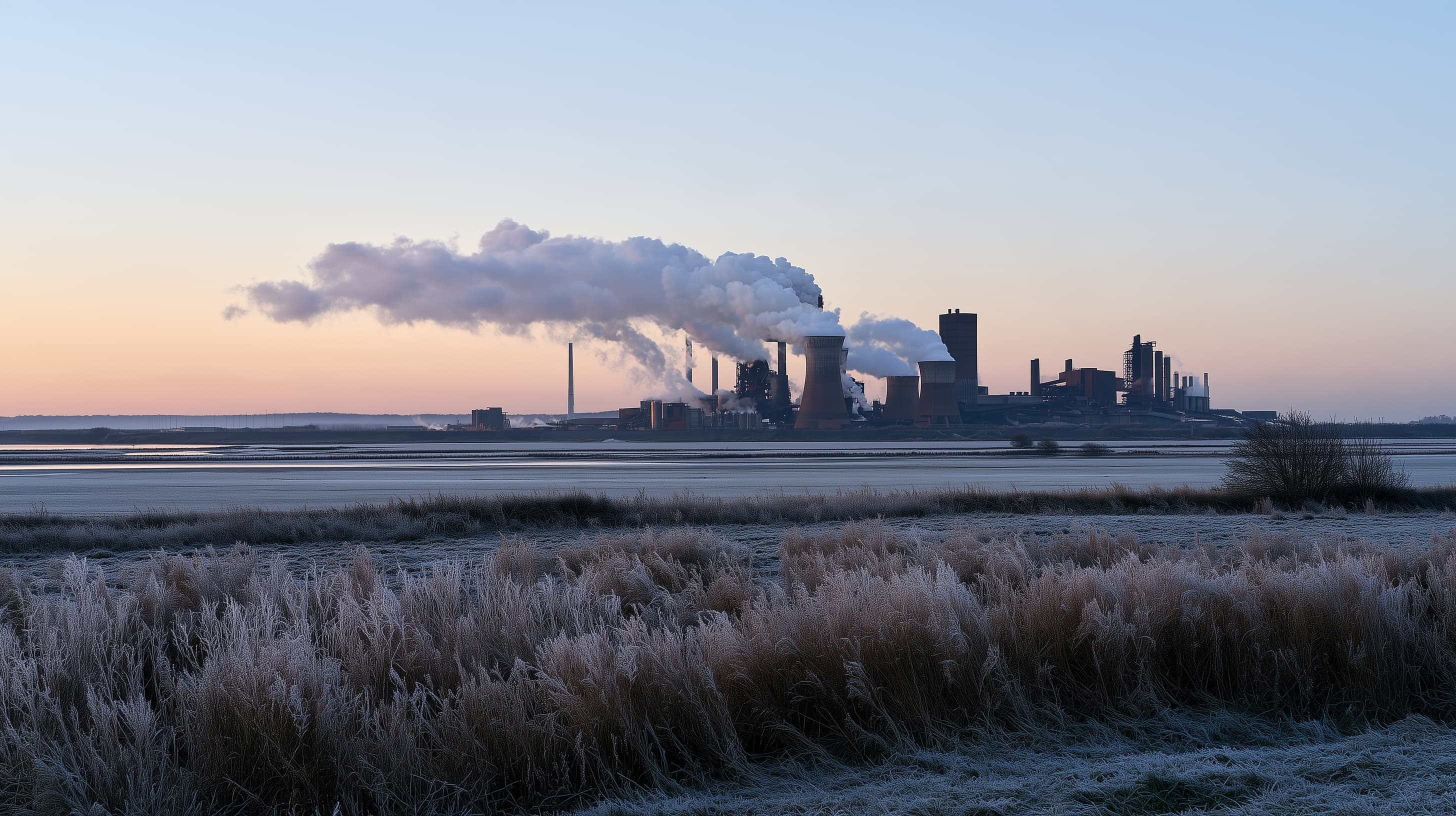
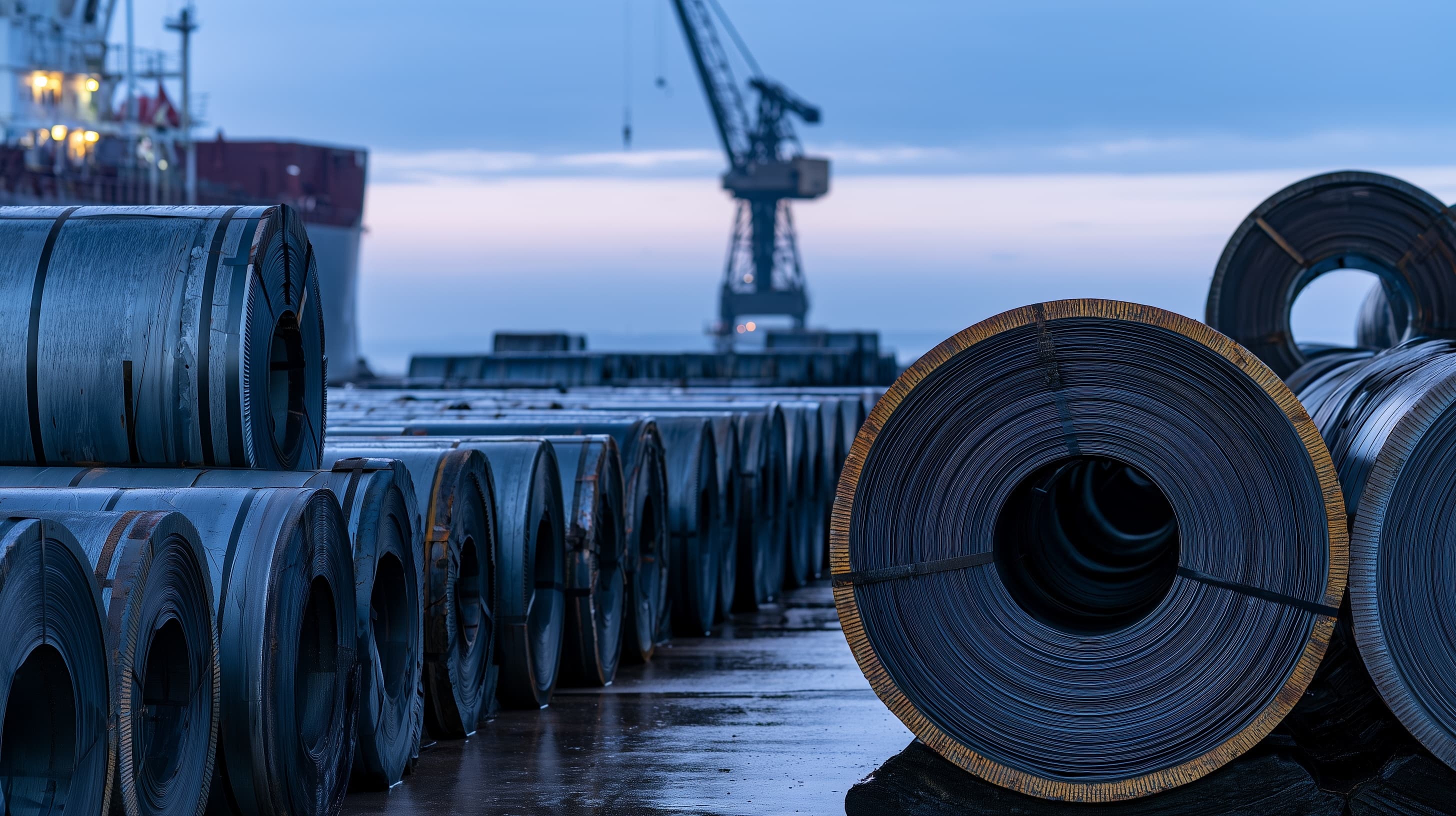
For years, the debate about green steel has been about supply: new furnaces, new processes, new inputs. On March 4, 2026, the European Commission put forward a proposal aimed squarely at demand. The Industrial Accelerator Act would set minimum low-carbon requirements for steel bought through public procurement and support schemes.
What the proposal does
- A minimum share of low-carbon steel. At least 25 percent of the total volume of steel procured with public money, and through public support schemes, would have to be low-carbon steel.
- Low-carbon over origin. For steel, the proposal prioritizes low-carbon production criteria rather than a strict EU-origin requirement.
- Existing tools first. A dedicated low-carbon steel label that many expected was not included. The Commission instead points to existing frameworks, such as the Ecodesign for Sustainable Products Regulation, to define and verify performance.
The Act is a proposal. It now goes to the European Parliament and the Council, and the details, including how low-carbon steel is defined and measured, will be negotiated.
Why demand signals matter
Steelmakers make decarbonization investments when they can see buyers willing to pay for the result. Public procurement is one of the largest single sources of steel demand in Europe: bridges, rail, public buildings and energy infrastructure. A guaranteed share of that demand for low-carbon steel gives producers a market to plan around.
Low-carbon steel will be measured, not declared
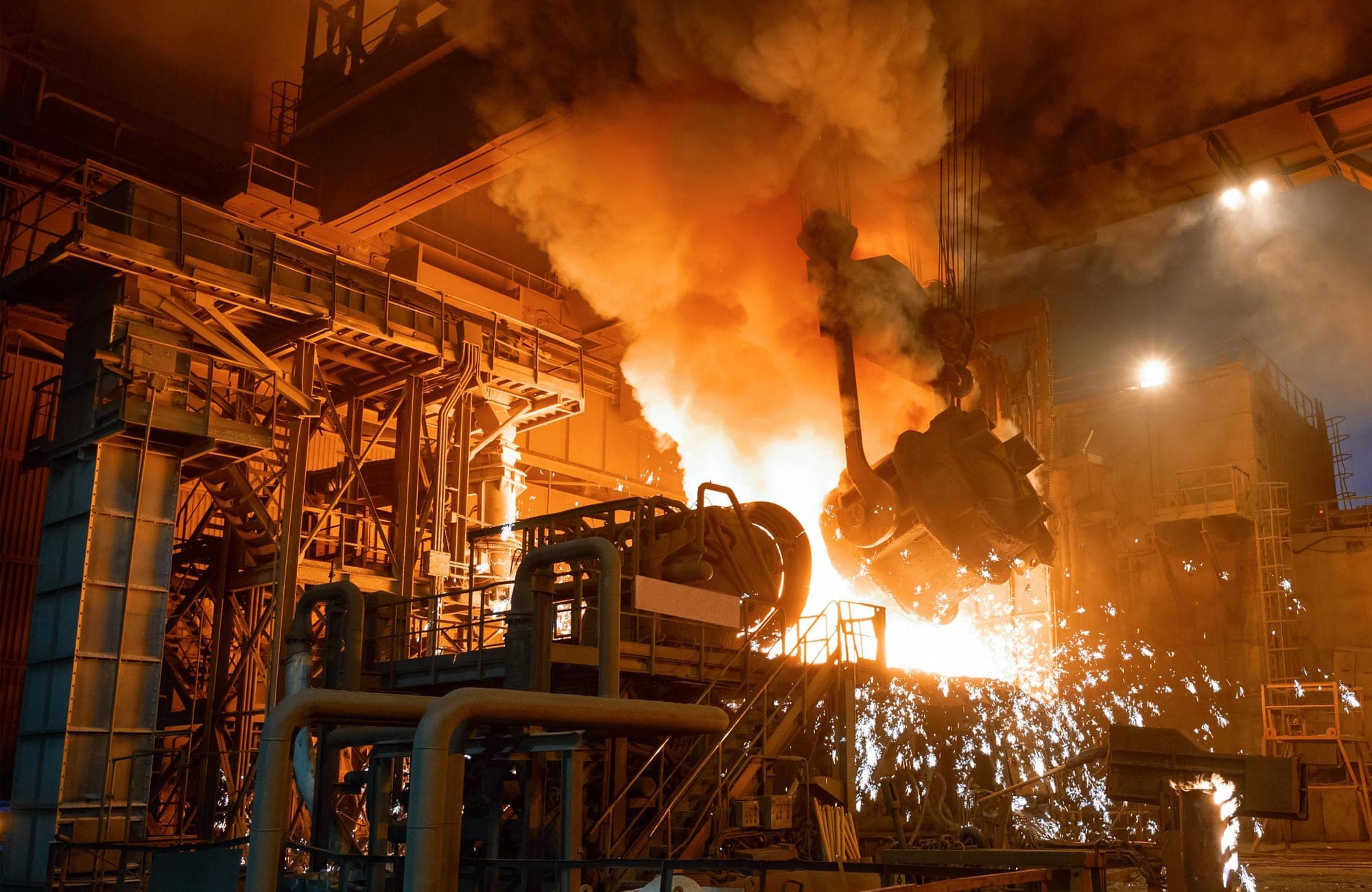
Whatever definition emerges, it will be based on measured emissions per tonne. That puts attention on every source of emissions in the process, including the carbon inputs. In both blast furnace and electric arc furnace routes, carbon is part of the chemistry. Choosing a renewable carbon with recognized sustainability credentials is one of the most direct ways a producer can lower the measured footprint of its steel without rebuilding its plant.
What we are watching
We will be following how the Parliament and Council handle the definition of low-carbon steel, whether it distinguishes between primary and secondary production, and how verification will work in practice. For suppliers like Karmanterra, the direction is already clear: buyers will increasingly ask for carbon inputs that come with documentation, not just a datasheet.