Insight
Electric Arc Furnaces and the Carbon Problem Nobody Talks About
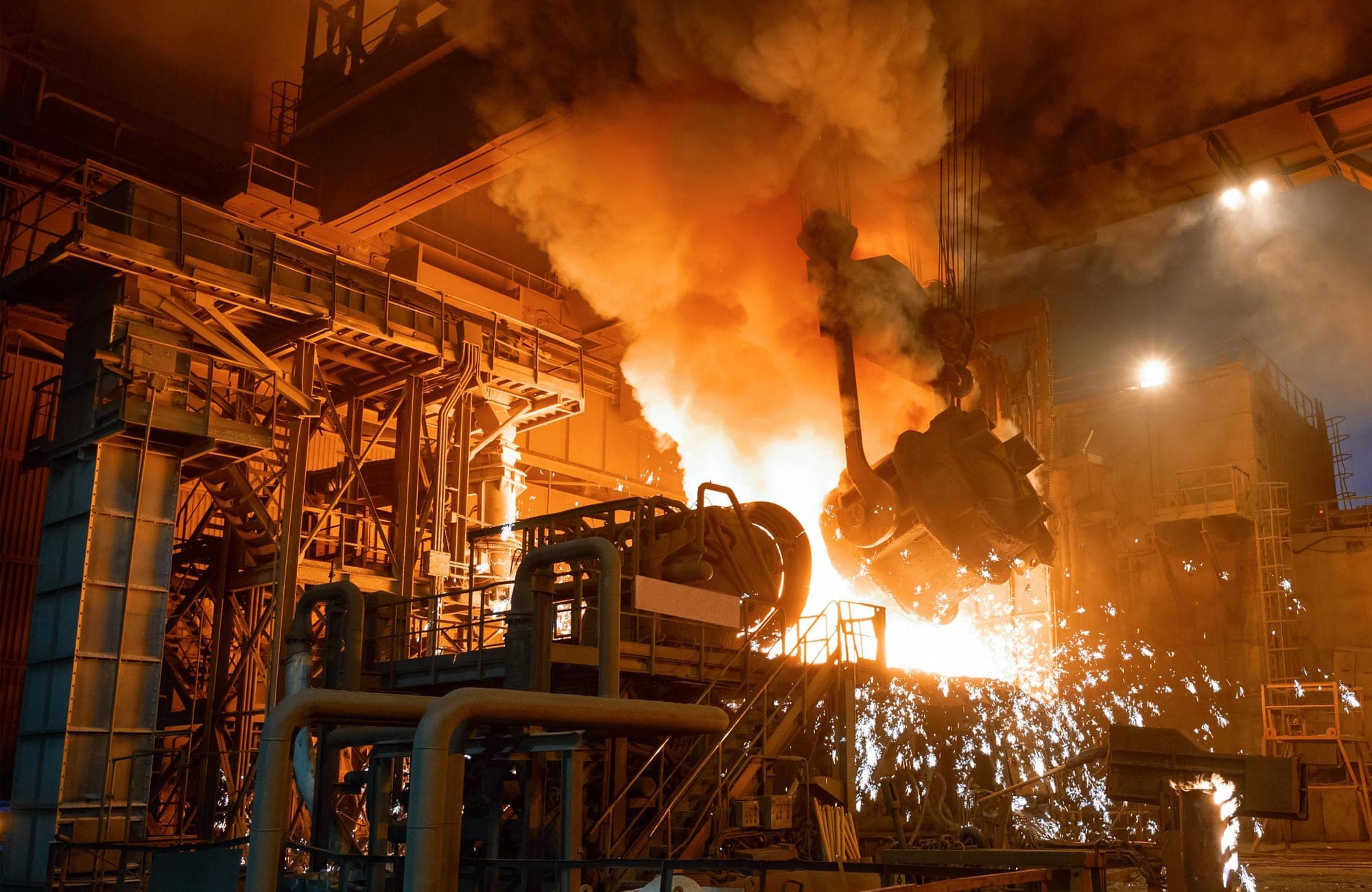
The shift from blast furnaces to electric arc furnaces (EAFs) is one of the biggest levers the steel industry has to cut emissions. EAFs melt scrap and direct reduced iron with electricity, and their emissions intensity is a fraction of the integrated route. EAF capacity is growing in Europe, North America and Asia, and it sits at the center of most national steel decarbonization plans.
But an EAF is not carbon-free. Carbon is part of how it works, and that carbon is still almost entirely fossil.
Where carbon goes in an EAF
- Charge carbon. Added with the scrap, it supplies chemical energy, helps control the oxygen balance and adjusts the carbon content of the melt.
- Injection carbon. Blown into the furnace to create a foamy slag that shields the arc, protects the refractory lining and improves energy efficiency.
- Recarburizing. Used to bring the steel to its target carbon content.
Most of this carbon comes from anthracite, metallurgical coke or petroleum coke. As it reacts, it leaves the furnace as carbon dioxide and counts toward the plant's direct, Scope 1 emissions.
Why it matters more every year
As electricity grids decarbonize, the power used by an EAF gets cleaner on its own. The carbon inputs do not. That means fossil carbon becomes a larger share of an EAF's remaining footprint over time. For producers selling into markets that price or measure embedded emissions, such as the EU under CBAM or buyers asking for low-emission steel, that residual matters.
A drop-in path
Biocarbon is made by thermally converting sustainably sourced biomass into a carbon-rich material. When it is engineered for metallurgical use, with high fixed carbon and low ash and metals, it can replace a portion of fossil charge and injection carbon in existing furnaces. Because the carbon in sustainably sourced biomass is part of the short-term biological cycle, emissions from qualifying biomass are treated differently from fossil emissions under frameworks such as the EU ETS.
The appeal for a melt shop is practical. No new furnace, no new power contract, no new permit for a different process. The work is in qualification: matching particle size, reactivity, moisture and handling to the way a specific furnace operates, then scaling up from trials.
Questions worth asking your carbon supplier
- Is the product certified as sustainably sourced, and does that certification support how you report emissions?
- Is the specification consistent from lot to lot, with a certificate of analysis for each shipment?
- Can the supplier support trials and scale with you, with domestic feedstock and logistics?
The electric arc furnace is a big part of steel's future. Making its carbon renewable is the next step.