News
2025 in Review: Building a U.S. Biocarbon Supply Chain for Steel
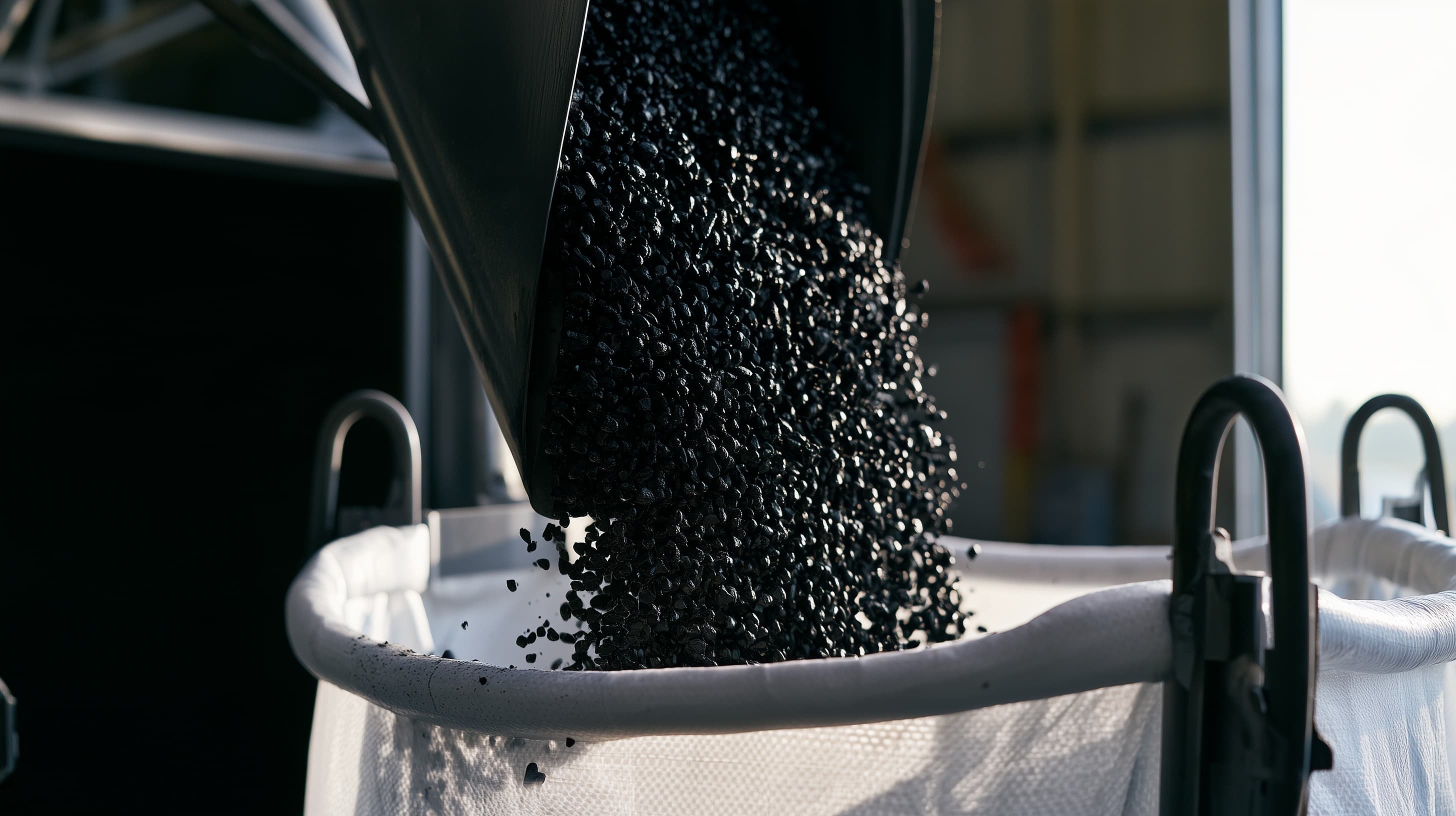
When we started Karmanterra, the question we heard most from steelmakers was simple: can a renewable carbon actually do the job that coke and coal do today, at the scale and consistency a melt shop needs? In 2025 that question changed. The conversations we are having now are about qualification, logistics and contract terms. That shift is the clearest sign of progress we can point to.
Certification that buyers recognize
In March we announced SBP certification for our biocarbon. For European steelmakers, certified sustainable biomass matters because it determines how the carbon in our product is treated under EU emissions accounting. Certification turned a technical argument into a document a compliance team can file.
Joining the steel sustainability conversation
In January we joined ResponsibleSteel, and in October we wrote about why its mission matters to a supplier like us. Standards bodies are where buyers, producers and suppliers agree on what credible low-emission steel looks like. We want our product designed around those definitions, not retrofitted to them.
Partnerships with the metals industry
In November we announced our partnership with Greenway Steel to advance sustainable carbon solutions for the metals industry. Partnerships like this are how a new material earns its place in an existing process: through trials, data and shared commitment to getting the details right.
Research beyond steel
Our work on biochar for saline and alkaline soils in the Middle East continued alongside our steel program. The same discipline that goes into making a consistent metallurgical carbon goes into making a soil amendment that performs in some of the hardest growing conditions on earth.
What 2026 brings
On January 1, 2026, the EU Carbon Border Adjustment Mechanism moves from reporting into its definitive phase. Free allocation under the EU Emissions Trading System begins its phase-down for steel in the same year. Both changes put a price on the carbon that goes into steel, wherever that steel is made. We believe that makes 2026 the year renewable carbon inputs move from sustainability reports onto procurement scorecards.
We are building the supply chain to meet that moment: domestic feedstock, consistent product, and the documentation buyers need. If you are evaluating how to reduce the carbon in your carbon, we would like to talk.